

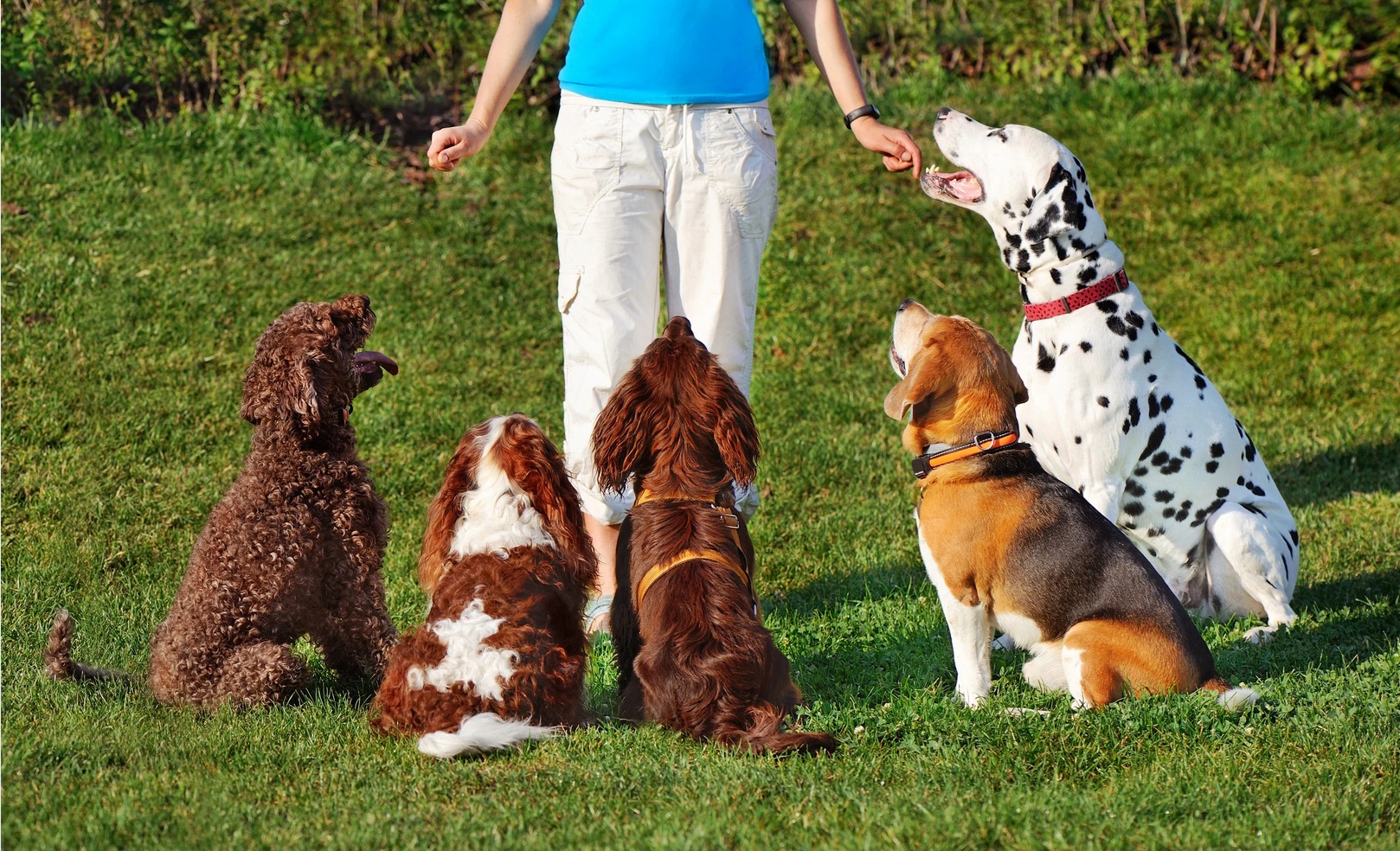
Education and consultancy
Raising awareness about facility dogs.
A large part of our work involves educating the public about issues faced by victims and witnesses and how facility dogs can help. As we all know, crime can have a significant impact on people who witness it — financially, socially, and psychologically. The emotional impact of crime can harm how people engage with the criminal justice system. Dogs can support victims and witnesses emotionally to improve their engagement with services. They have been suggested by research to:
So how can we help you?
Our training can help organisations help witnesses by raising awareness around the work facility dogs do, to help promote improved outcomes for witnesses. We can offer set talks and bespoke training sessions depending on your organisation’s needs.
We can also provide consultancy services for people and organisations who would like to develop their own facility dog programmes. This includes guidance around training requirements and best practice guidelines for the effective use of facility dog programmes in the criminal justice system. Our knowledge draws from recent research, experience, and a network that spans across continents — professionals who have witnessed first-hand the overwhelmingly positive impact of facility dogs. If you would like to develop a facility dog programme bespoke to your organisation and your ways of working, you will be supported every step of the way.
Not sure what’s right for you? Get in touch with us to explore your options.

References
1. Howell, T. J., Hodgkin, S., Modderman, C., & Bennett, P. C. (2021). Integrating facility dogs into legal contexts for survivors of sexual and family violence: Opportunities and challenges. Anthrozoos. https://doi.org/10.1080/08927936.2021.1938406
2. Krause-Parello, C. A., & Friedmann, E. (2015). The effects of an animal-assisted intervention on salivary alpha-amylase, salivary immunoglobulin A, and heart rate during forensic interviews in child sexual abuse cases. Anthrozoos, 27(4), 581-590. https://doi.org/10.2752/089279314X14072268688005
3. Krause-Parello, C. A., Thames, M., Ray, C. M., & Kolassa, J. (2018). Examining the effects of a service-trained facility dog on stress in children underdoing forensic interview for allegations of child sexual abuse. Journal of Child Sexual Abuse, 27(3), 305-320. https://doi.org/10.1080/10538712.2018.1443303
4. Spruin, E., Mozova, K., Franz, A., Mitchell, S., Fernandez, A., Dempster, T., & Holt, N. (2019). The use of therapy dogs to support court users in the waiting room. International Criminal Justice Review, 29(3), 284-303. https://doi.org/10.1177/1057567719827063
5. Spruin, E., Mozova, K., Dempster, T., & Freeman, R. (2020). The use of facility dogs to bridge the justice gap for survivors of sexual offending. Social Sciences, 9(96). https://doi.org/10.3390/socsci9060096
6. Krause-Parello, C. A., & Gulick, E. E. (2015). Forensic interviews for child sexual abuse allegations: An investigation into the effects of animal-assisted intervention on stress biomarkers. Journal of Child Sexual Abuse, 24(8), 873-886.
https://doi.org/10.1080/10538712.2015.1088916
7. Spruin, E., Dempster, T., & Mozova, K. (2020). Facility dogs as a tool for building rapport and credibility with child witnesses. International Journal of Law, Crime and Justice, 62(2020). https://doi.org/10.1016/j.ijlcj.2020.100407